

Sticking with outdated methods
Keeping an old asset mix, insurance arrangement, or estate plan can feel prudent because it once worked. It can become misaligned with current income, dependants, and time horizon.
Wealth personality
STNC
Patient stewards who protect wealth across generations.


Like a mayor, you think about what today’s choices will mean years from now. You care about keeping money useful for family, shared responsibilities, and the people who may depend on you later. This gives you patience and a strong sense of responsibility. Under pressure, familiar ways of saving, investing, or protecting wealth can feel safer than checking whether they still fit your life today.
Under stress, you may lean so heavily on familiar principles that you overlook a real change in your circumstances or the wider environment. The tension is that respect for what has worked before can harden into resistance to change, leaving your approach less suited to new circumstances.
“Which part of your financial plan belongs to an earlier chapter of your life?”
Sounds like you?
01
I ask whether a money choice will still make sense years from now.
02
I see wealth as something to protect for people beyond myself.
03
I can stay with a familiar plan because it has served me well.

How you make wealth decisions
The rhythm behind how you protect, grow, and use wealth.
You protect wealth through patience, consistency, and long-term thinking.
Growth matters most when it strengthens long-term stability and can be passed forward responsibly.
Wealth supports continuity, family security, shared responsibilities, and legacy.
Decision style
You prefer choices that will still make sense years from now. This gives you stability, but old ways can feel safer than they really are when life has changed.
Natural strengths
Strengths that may shape how you handle uncertainty, priorities, and long-term trade-offs.
Thinks beyond immediate outcomes
Protects continuity across life stages
Makes patient decisions during uncertainty
Watch for this
Patterns worth noticing before they quietly run the decision.
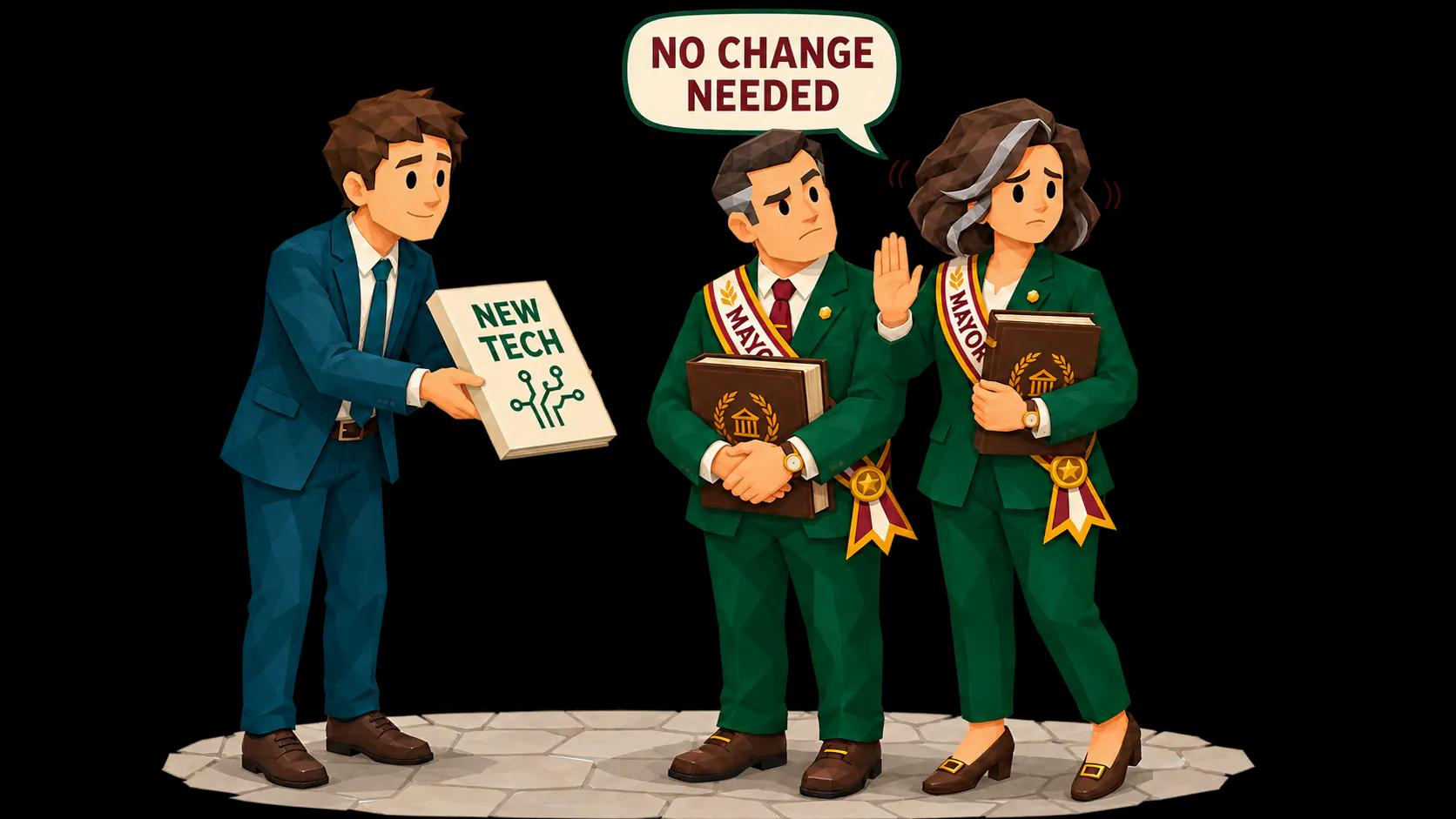
Keeping an old asset mix, insurance arrangement, or estate plan can feel prudent because it once worked. It can become misaligned with current income, dependants, and time horizon.
During change, familiar financial rules can outweigh current facts. Life-stage shifts, tax changes, or new responsibilities can be missed.
Long-term values need current implementation. Treating an old allocation method as a principle can weaken the legacy it was designed to protect.
When money gets real
A family responsibility changes the role money needs to play. The tension is between preserving the principles that matter and updating the approach around them.
A useful tension to notice
Preserving your values does not require keeping every method unchanged. Periodic review can keep your stewardship relevant as circumstances evolve.
What already serves you
You protect wealth through patience, consistency, and long-term thinking. Thinks beyond immediate outcomes. Protects continuity across life stages. These are strengths worth deliberately carrying forward.
What is worth questioning
Preserving your values does not require keeping every method unchanged. Periodic review can keep your stewardship relevant as circumstances evolve.
A thought to carry forward
Preserve the principles that matter most, but review the methods you use as circumstances and generations change.
A question to sit with
Which part of your financial plan belongs to an earlier chapter of your life?
WPTI is educational self-reflection, not investment advice, a financial recommendation, or a suitability assessment.